


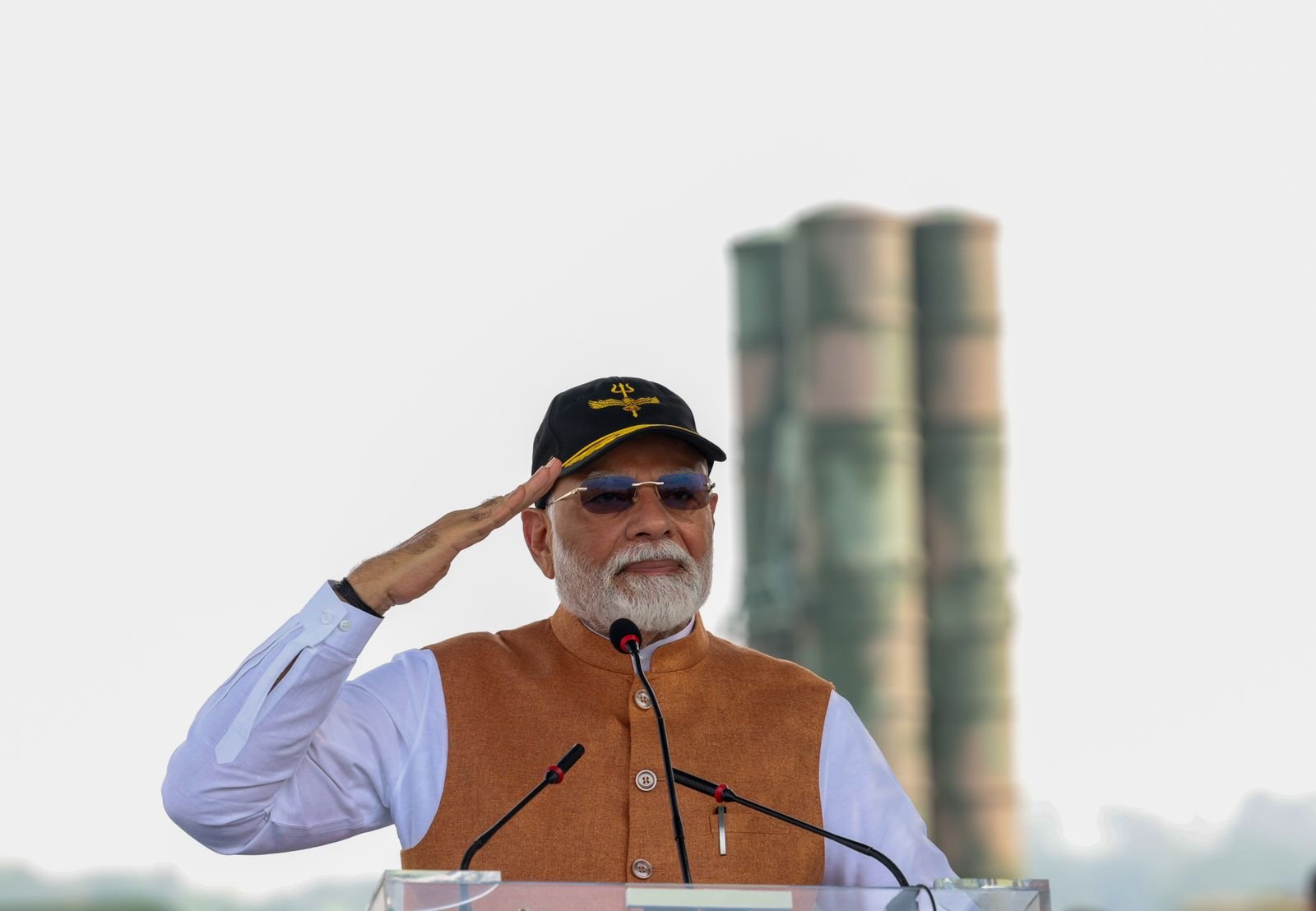
In a decisive response to the brutal terrorist attack in Pahalgam on April 22, which killed 26 civilians, India launched Operation Sindoor—a swift and precisely calibrated military campaign that has reshaped South Asia’s security narrative. Conducted from May 7 to 11, the operation struck nine major terrorist camps deep within Pakistani territory, all while carefully navigating the region’s nuclear sensitivities. More than a military retaliation, Operation Sindoor demonstrated India’s strategic maturity, technological independence, and regional messaging power.
Strategic Goals Realized: Disabling Terror Networks
Targeting infrastructure linked to Lashkar-e-Taiba, Jaish-e-Mohammed, and Hizbul Mujahideen, India executed precision strikes on camps located in Muridke, Bahawalpur, Muzaffarabad, and Kotli. Over 100 militants were reportedly neutralized. By employing stand-off weapons such as the BrahMos cruise missile and the SCALP air-launched system, India delivered a devastating blow to terror infrastructure without escalating into a broader conflict.
Crucially, Indian forces penetrated deep into enemy territory without breaching Pakistan’s nuclear red lines—a line many strategists have considered inviolable. Prime Minister Modi’s unequivocal assertion that “we will not succumb to nuclear blackmail” underscored a bolder Indian security doctrine: assertive, calculated, and sovereign.
Indigenous Defense: A Strategic Advantage
A hallmark of Operation Sindoor was India’s use of domestically developed defense technology. The indigenous Akash surface-to-air missile system and homegrown anti-drone platforms effectively neutralized retaliatory Pakistani efforts, including Turkish-supplied drones and Chinese-origin missiles.
Although advanced platforms like Rafale fighter jets and Russian-made S-400 systems provided critical support, the operation validated the strength and viability of India’s indigenous defense industry. This blend of autonomy and capability allowed India to maintain air superiority with limited external reliance.
 Pakistan’s Misjudgment and China’s Strategic Reserve
Pakistan’s confidence in its Chinese-supplied arsenal—J-10C jets, PL-15 missiles, and HQ-9 air defense systems—proved misplaced. Indian forces intercepted and neutralized several Pakistani drones and missiles, while unexploded Chinese munitions were found scattered in Indian territory, raising questions about their reliability.
Even more telling was China’s restrained posture. Despite its “all-weather friendship” with Pakistan, Beijing confined itself to generic calls for calm. Unlike its vocal stance during earlier conflicts, China neither condemned the Pahalgam attack nor extended any material assistance to Pakistan during the confrontation.
This mirrors past behavior: in 1971, China watched silently as Pakistan fractured. In 2025, it did so again—reinforcing the reality that strategic alliances are often governed by cold pragmatism rather than sentiment.
Reflections for the Region
For smaller nations in South Asia and the Indian Ocean, Operation Sindoor serves as more than a military case study—it is a lens into the shifting regional order. The gulf in technology, strategic clarity, and alliance reliability offers lessons with long-term implications.
Pakistan’s experience highlights the risks of overdependence on a single strategic partner. Despite access to advanced Chinese systems, Islamabad found itself diplomatically isolated and militarily outmatched. The message is clear: diversification in defense and diplomacy is not a luxury—it’s a necessity.
A Strategic Reminder for South Asia
Many nations in the region have increasingly sought defense and economic partnerships with distant powers. However, moments of crisis test the strength of those relationships. Operation Sindoor reinforces a quiet but powerful truth: shared geography, aligned security interests, and mutual trust often endure longer than transactional ties.
India’s swift and calibrated response, backed by resilient domestic capabilities, offers more than a lesson in defense—it prompts a regional introspection.
Looking Ahead: A Question for Every Nation
As new threats emerge and traditional alliances evolve, each country in South Asia must confront its own strategic vulnerabilities. How does a nation ensure its sovereignty and long-term stability in a volatile region?
Operation Sindoor has not only redefined India’s defense posture—it has raised a critical question for the region: In an era of uncertainty, what truly safeguards national interest—alliances of convenience, or self-reliance anchored in strategy and principle?