


The National People’s Power government, led by Janatha Vimukthi Peramuna (JVP) leader Anura Kumara Dissanayake, has been actively seeking foreign investment to achieve the country’s economic goals. Since assuming office, President Dissanayake’s visits to India and China have consistently prioritized economic cooperation.
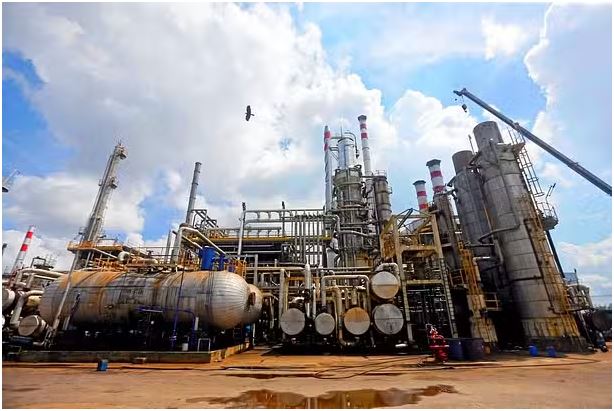
In this context, the Sri Lankan Ministry of Power and Energy signed an agreement with China’s Sinopec International Petroleum Corporation, a leading oil company, on January 16th to establish a fuel refinery in Hambantota. The government has expressed confidence that this new Chinese investment will bolster economic growth and improve the livelihoods of low-income communities in Hambantota.
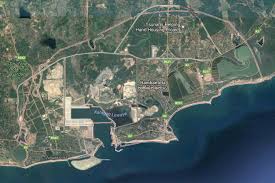 According to the agreement, Sri Lanka is expected to receive direct foreign investment of US$3.7 billion. The proposed refinery in Hambantota will have a capacity of 200,000 barrels, with a significant portion intended for export.
Sri Lanka has already allocated 500 acres of land for the refinery project, though China has requested an additional 200 acres. Foreign Minister Vijitha Herath stated that no decision has been made regarding this request. Furthermore, crucial details such as operational guidelines, the amount of fuel to be supplied domestically, export destinations, and environmental regulations remain undisclosed.
Responding to local media inquiries, the government indicated that a final decision on the volume and price of fuel for the domestic market has not yet been reached. Additionally, there is a pressing need for a comprehensive assessment of the environmental impact and the effects on local livelihoods.
Lessons from Past Investments
The history of large-scale foreign investments in Sri Lanka raises questions about their actual benefits to the nation and its people. The Mattala Rajapaksa International Airport and the Hambantota Port, both established with Chinese loans, are frequently cited examples.
Approximately US$209 million was spent on the Mattala Airport, but the economic returns have been minimal. Meanwhile, the Hambantota Port, strategically located near the Strait of Malacca, plays a crucial role in China’s “One Belt, One Road” initiative. This port can accommodate 36,000 ships annually, including 4,500 oil tankers, and reduces travel time for Europe-bound vessels by three days. Despite these advantages, the direct economic benefits to Sri Lanka remain unclear.
The increasing use of Sri Lanka’s strategic infrastructure by foreign powers raises concerns about national sovereignty. Since the end of the civil war, external influence over Sri Lanka’s domestic politics and economy has grown considerably.
Expanding Chinese Influence
China has already secured 15,000 acres of land near Hambantota to establish a special economic zone. The new refinery further extends China’s footprint in the region. Notably, this project follows the Sri Lankan government’s cancellation of a 2019 agreement with the India-Oman consortium to build a similar refinery.
While the Chinese refinery is expected to contribute to Sri Lanka’s economic development, it also raises concerns about increased Chinese dominance and debt dependency. These investments could undermine Sri Lanka’s pursuit of economic self-sufficiency and disrupt the country’s political stability.
Geopolitical Implications
The Hambantota refinery project has triggered geopolitical concerns, particularly from India and Western nations. Given the port’s strategic significance, there are fears that Chinese-controlled infrastructure could eventually serve military purposes. This possibility heightens diplomatic tensions and may alter the military balance in the Indian Ocean region.
As part of China’s “One Belt, One Road” initiative, the Hambantota port and refinery symbolize China’s growing influence in South Asia. This expansion could challenge Sri Lanka’s ability to maintain balanced international relations and could provoke further geopolitical rivalries. 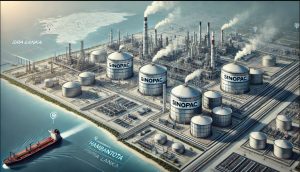
Conclusion
While the Hambantota refinery promises substantial economic investment and potential growth, its long-term benefits to Sri Lanka remain uncertain. Critical issues such as environmental impacts, local livelihoods, and national sovereignty require thorough examination. Additionally, the increasing presence of Chinese interests in Sri Lanka may pose significant geopolitical and economic risks that demand careful consideration.