

India’s Deepawali Goes Global: From Festival of Lights to a Rising Engine of Economic Growth

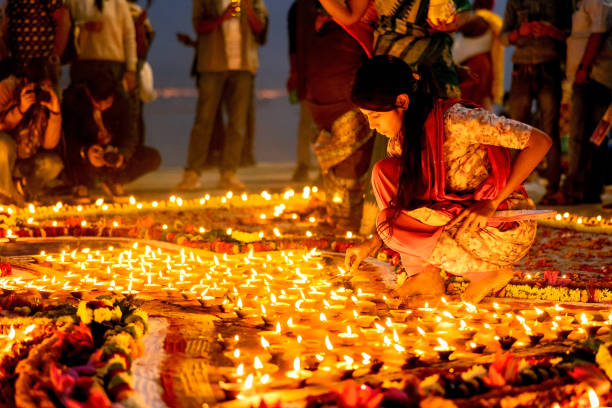
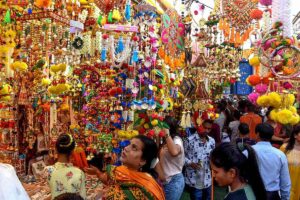 Deepawali is transcending borders, transforming cultural celebrations into global economic opportunities through rising consumption, international trade, tourism, digital commerce, employment and shared prosperity.
From community celebrations to international marketplaces, Deepawali has transcended geographical boundaries to become an increasingly prominent fixture on cultural and commercial calendars worldwide. Celebrated on Sunday, 8 November 2026, the festival brought together communities, businesses and consumers across continents. Countries including Mauritius, Trinidad and Tobago, Singapore, Fiji, Guyana, Malaysia and Sri Lanka recognise the occasion with public holidays or official celebrations, while Nepal celebrates it as Tihar. Its growing international presence reflects the influence of diaspora communities and the increasing integration of cultural traditions into the economic life of countries worldwide.
Festival Spending: Unlocking Global Consumer Markets
Deepawali’s expanding international footprint carries significant economic potential. Festivals concentrate consumer expenditure within a specific period, generating demand across clothing, jewellery, food, gifts, home furnishings, travel and entertainment. As the festival gains recognition in more countries, this demand reaches new consumer groups and geographical markets. Businesses respond through seasonal promotions, specialised products and wider distribution networks. Public recognition and organised celebrations further strengthen the festival’s position in commercial calendars, enabling retailers and suppliers to plan inventory, marketing and distribution around recurring periods of increased consumption.
Global Cities Transforming Celebrations into Commercial Attractions
International destinations are increasingly incorporating Deepawali into their retail, tourism and cultural calendars. Dubai’s 2026 Festival of Lights, running from 2 to 12 November, features shopping promotions, dining offers, cultural entertainment and incentives across retail and jewellery outlets. Singapore’s Little India combines illuminated streets, festive bazaars, food markets, cultural performances and guided tours. The city also hosted a 10-day Deepavali shopping exhibition in October 2026, showcasing handicrafts, fashion and food products. Meanwhile, Leicester’s Golden Mile celebrations attracted approximately 30,000 visitors in 2026. These examples show how cultural celebrations are becoming destination attractions, creating commercial opportunities for retail, food, hospitality, and tourism businesses.
Connecting Producers with International Markets
Growing demand for festive products is strengthening international supply chains involving manufacturers, artisans, wholesalers, retailers, transport operators and logistics providers. Handicrafts, textiles, decorative lighting, sweets and jewellery are increasingly reaching consumers beyond traditional markets. Retailers in countries hosting large celebrations also source products from a wider range of suppliers. This connects producers with overseas consumers and extends economic activity beyond retail to manufacturing, packaging, warehousing and distribution, creating opportunities for businesses across multiple stages of the supply chain.
MSMEs and Artisans: Beneficiaries of the Expanding Festive Economy
Small and medium enterprises are important participants in this growing economic network. Artisans, independent traders, food businesses and specialised manufacturers operate alongside larger retailers. Digital marketplaces and improved logistics enable smaller enterprises to serve customers across geographical boundaries. Seasonal demand supports production planning, market diversification and repeat customer relationships. The expanding international market for festive products therefore provides MSMEs with opportunities to broaden their customer base and strengthen their participation in global commercial networks.
Promoting International Trade and Business Networking
Deepawali is also emerging as a platform for international business engagement. Festive exhibitions, trade fairs and retail showcases bring together manufacturers, exporters, artisans, distributors and consumers, creating opportunities for product promotion and market access. These events help businesses understand consumer preferences, establish distribution relationships and connect with potential overseas buyers. Cultural and business organisations also organise networking events and commercial interactions during the festive season. Consequently, Deepawali’s economic role extends beyond seasonal consumption to include business networking, market development and international trade.
Indian Diaspora: Driving Deepawali’s International Expansion
Diaspora communities have played an instrumental role in taking Deepawali across international boundaries. Their presence has sustained the festival while maintaining social, cultural and economic connections between countries of origin and residence. These networks influence consumer preferences and generate demand for traditional products, food businesses and cultural services. Over time, celebrations have attracted wider local participation, extending the festival’s appeal beyond diaspora populations. This broader consumer base strengthens cultural markets in host countries and demonstrates how migration networks facilitate both cultural exchange and commercial relationships across national boundaries.
Generating Travel and Hospitality Opportunities
Deepawali’s internationalisation also has important implications for tourism. Diaspora networks influence visitor flows, particularly visits to friends and relatives, while festivals provide additional reasons for domestic and international travel. They bring families and communities together and attract visitors interested in cultural experiences. Such travel generates demand for airlines, accommodation, restaurants, transport and local attractions. In destinations where celebrations have become established public events, festival tourism strengthens the wider tourism calendar and supports hospitality businesses through increased demand for accommodation, dining and leisure activities.
Employment and Local Economic Multipliers
The economic impact extends beyond direct spending at festival venues. Visitors also spend in hotels, restaurants, transport operators, retail outlets and entertainment businesses. Increased footfall in commercial districts benefits enterprises not directly involved in organising festivities. Public events create additional demand for security, catering, event management, logistics and other support services, generating temporary employment and boosting service-sector activity. For host cities, such celebrations strengthen cultural identity and international visibility, supporting their positioning as tourism and leisure destinations. The wider economic significance therefore lies in the multiplier effect of spending across the local economy.
Digital Commerce: Taking Deepawali Beyond Physical Markets
Digital commerce has further accelerated Deepawali’s international reach. E-commerce platforms, digital payments and international delivery networks enable businesses to serve consumers across borders, including those without access to traditional festive markets. Retailers can promote specialised products internationally, while consumers gain access to a wider range of goods and services. Social media and digital content have increased the visibility of celebrations, reaching audiences beyond their immediate geographical locations. Online marketplaces also connect smaller producers with international consumers. The convergence of physical celebrations and digital commerce is thus expanding the festival’s economic footprint.
Creative Industries: Expanding the Services Economy
The cultural and creative industries have become another important component of the international Deepawali economy. Organised celebrations generate business opportunities across event management, creative design, lighting, entertainment, media, food services and cultural programming. Businesses collaborate with municipal authorities, tourism organisations and cultural institutions to organise performances, exhibitions, festive markets and community events. Hotels, restaurants, travel operators and entertainment companies also incorporate festive themes into their offerings. These activities support specialised service providers, attract wider audiences and generate employment across several segments of the services economy.
Deepawali: A Global Cultural and Economic Connector
Deepawali’s international expansion reflects the growing relationship between cultural exchange and economic integration. Its presence across public calendars, commercial districts, and tourism destinations demonstrates how a cultural tradition can become part of the economic life of multiple countries. The festival connects consumers, businesses, and communities through interconnected markets for goods, services, and experiences, with growing significance across retail, trade, tourism, hospitality, digital commerce, and the creative industries.
More importantly, Deepawali shows how cultural celebrations can become recurring platforms for international economic engagement. By stimulating consumption, supporting enterprises, expanding tourism and connecting producers with overseas consumers, the Festival of Lights is illuminating new opportunities for economic activity across national boundaries. Its global journey is therefore not merely a story of cultural expansion, but also one of international economic connectivity and shared prosperity.
In conclusion, Deepawali is increasingly emerging as a global economic catalyst, boosting countries’ growth trajectories through higher consumption, international trade, tourism, hospitality, and job creation. Its expanding reach creates new opportunities for businesses, MSMEs, artisans and service providers while strengthening cross-border commercial relationships. As more countries embrace the festival, its economic multiplier effects are likely to widen, demonstrating how India’s cultural heritage can contribute to global economic prosperity, shared growth and international economic integration.